

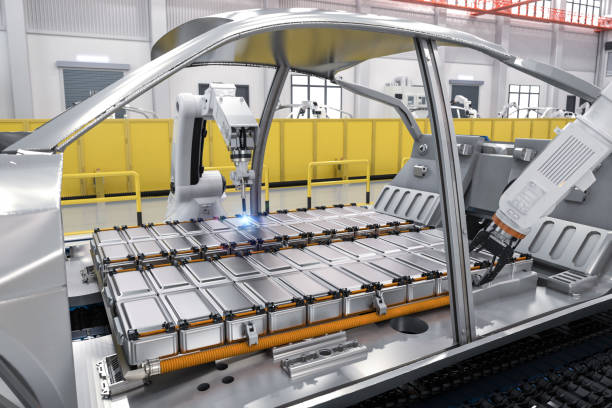
Lithium-Ion batteries, commonly used in everyday electronics, are known for their high energy density and low self-discharge. They power everything from laptops and smartphones to electric vehicles and power tools. Their compact size and efficient energy storage make them ideal for situations where space and weight are crucial.
Victron LiFePO4 batteries, or Lithium Iron Phosphate batteries, are a type of Lithium-Ion battery but use a different cathode material—iron phosphate instead of cobalt or manganese. This difference in chemistry significantly enhances safety, cycle life, and thermal stability, making LiFePO4 a go-to choice for larger, more demanding applications.
Chemical Composition: The Science Behind the Power
The main difference starts at the chemical level.
Lithium-Ion batteries typically use materials like lithium cobalt oxide (LiCoO2), lithium manganese oxide (LiMn2O4), or nickel manganese cobalt oxide (NMC) for their cathodes. These provide high energy density, but are also more volatile and prone to thermal runaway if damaged or improperly charged.
LiFePO4 batteries use lithium iron phosphate as the cathode material, which is more stable both chemically and thermally. While this chemistry sacrifices some energy density, it results in a battery that is safer and can last significantly longer under repeated charge-discharge cycles.
Performance: Charging, Discharging, and Efficiency
Lithium-Ion batteries charge faster and offer greater energy density, which is why they’re preferred in portable electronics and electric vehicles where space is tight and quick charging is essential. However, they degrade faster over time, especially when exposed to high temperatures or overcharging.
LiFePO4 batteries, while slower to charge, excel in cycle life and temperature tolerance. They can be charged and discharged thousands of times without significant degradation, and they hold their charge longer when not in use due to their low self-discharge rate. They also perform better in high-temperature environments, making them highly reliable for off-grid, industrial, and marine applications.
Safety: A Clear Winner
When it comes to safety, LiFePO4 batteries clearly outperform standard Lithium-Ion. The iron phosphate cathode offers superior thermal and chemical stability, making them far less prone to combustion or thermal runaway. This makes them ideal for installations where safety is non-negotiable—like solar power storage, wheelchairs, and backup power systems.
Lithium-Ion batteries, while generally safe with proper management, pose a higher risk of overheating, swelling, and catching fire, particularly if punctured or overcharged. This is why Lithium-Ion battery management systems (BMS) are critical to prevent dangerous failures.
Applications: Where Each Battery Shines
Lithium-Ion Batteries Are Common In:
- Consumer electronics: smartphones, laptops, tablets, digital cameras
- Power tools: cordless drills, saws, garden equipment
- Electric vehicles (EVs): cars, scooters, and e-bikes
- Vape devices: only with authorized Li-Ion batteries for safety
LiFePO4 Batteries Are Ideal For:
- Solar energy systems: storing energy from solar panels or wind turbines
- Electric vehicles and mobility aids: such as e-bikes and electric wheelchairs
- Recreational vehicles: camper vans, marine vessels, and off-grid cabins
- Telecommunications: base stations, where long-life and stability are critical
- Uninterrupted Power Supplies (UPS): for servers, hospitals, and security systems
In short, Lithium-Ion batteries suit compact devices and fast-paced recharging, while LiFePO4 batteries are better for long-term, stable energy delivery in rugged or critical environments.
Durability and Longevity
One of the most significant advantages of LiFePO4 is cycle life. A high-quality LiFePO4 battery can deliver up to 2,000–5,000 full charge/discharge cycles, while standard Lithium-Ion batteries typically last around 500–1,000 cycles. This means that LiFePO4 batteries will outlive most Li-ion batteries by a wide margin, making them more cost-effective over time despite a higher upfront cost.
Environmental Impact
Environmental friendliness is another area where LiFePO4 has the upper hand. These batteries do not contain cobalt or nickel, which are linked to mining practices that raise ethical and environmental concerns. Their longer life also means fewer replacements, reducing waste and long-term resource consumption.
Lithium-Ion batteries, especially those using cobalt, have raised sustainability concerns due to the heavy environmental footprint and human rights issues associated with cobalt mining.
Which Should You Choose?
The answer depends on what you need the battery to do.
- Choose Lithium-Ion if you need a lightweight, compact, and fast-charging solution—perfect for gadgets, tools, and lightweight transport.
- Go with LiFePO4 if you’re looking for a safe, durable, and long-lasting battery—ideal for solar systems, RVs, marine use, or backup power.
Final Thoughts
While both Lithium-Ion and LiFePO4 batteries have their place in the market, understanding the differences in safety, performance, and application is essential for making the right choice.
If energy density and compactness are your priority, Lithium-Ion remains unmatched. But if you’re after stability, safety, and long-term reliability, LiFePO4 is clearly the better investment—especially for high-capacity or off-grid applications.
Whichever technology you choose, make sure it aligns with your specific energy needs and safety requirements. With advances in both chemistries continuing every year, the future of battery power looks brighter—and safer—than ever.
Apart from that, if you are interested to know about “premium full-tower PC case” then visit our “Tech” category.