

Introduction
The 1970s was a transformative decade not only in culture, fashion, and politics but also in the way people approached home decor. It was an era that broke free from rigid design rules, celebrating comfort, personality, and self-expression. Interior spaces became cozy, colorful sanctuaries reflecting the decade’s values, freedom, sustainability, and individualism.
Spaces came alive with shag carpeting underfoot, velvet-covered sofas, wood-paneled walls, and rattan or wicker accents, creating a lush tactile experience. Patterns were used with fearless creativity—psychedelic swirls, florals, geometrics, and paisleys clashed and harmonized across wallpapers, upholstery, and rugs. Low-slung, lounge-worthy furniture invited relaxation, while iconic design pieces like egg chairs and tulip tables brought a sense of futuristic chic.
Whether through the earthy color palettes, bohemian textures, or futuristic furniture pieces, 1970s interior design offered a unique fusion of natural charm and retro innovation. This article takes you on a journey through the key elements, materials, room inspirations, and legacy of this unforgettable style that continues to inspire designers and homeowners even today.
| Aspect | Key Features |
| 1970s Interior Design | 1970s interior design is a bold fusion of earthy tones, eclectic patterns, and retro futurism, creating spaces that feel both nostalgic and timelessly free-spirited. |
| Color Palette | Earthy tones like avocado green, mustard yellow, burnt orange, and chocolate brown |
| Popular Patterns | Psychedelic swirls, geometric shapes, florals, paisleys, stripes |
| Textures & Materials | Shag carpets, velvet, corduroy, macramé, rattan, wood paneling |
| Furniture Style | Low, loungey, modular sofas; boho accents; futuristic pieces; Scandinavian simplicity |
| Iconic Decor Items | Macramé hangings, lava lamps, beaded curtains, record players, houseplants |
| Lighting Types | Arc floor lamps, globe pendant lights, Tiffany-style lamps, track lighting |
| Design Influences | Bohemian, retro futurism, Scandinavian minimalism, mid-century modern carryovers |
| Room Highlights | Sunken living rooms, colorful kitchens, paisley bedrooms, bold bathrooms |
| Sustainability Aspects | Use of natural materials, indoor plants, vintage and handmade decor |
| Notable Designers | Vernor Panton, Eero Aarnio, Florence Knoll, David Hicks |
1970s Interior Design
1970s interior design was a bold, expressive, and eclectic era in home decor, marked by its celebration of individuality and a deep connection to nature. Rooted in the cultural shifts of the time, this design style reflected a mix of rebellion, optimism, and creativity. Homes were transformed into cozy, colorful sanctuaries filled with earthy tones like avocado green, mustard yellow, and burnt orange. The spaces often featured shag carpeting, wood-paneled walls, and low-slung furniture that prioritized comfort.
Patterns were embraced without hesitation—florals, geometrics, and psychedelic swirls adorned everything from wallpaper to upholstery. A strong bohemian influence brought in global elements such as Moroccan poufs, Indian tapestries, and macramé art, while retro futurism introduced space-age furniture and metallic accents, mirroring society’s fascination with technology and the future.
Scandinavian simplicity added balance with its clean lines, light woods, and minimalistic charm. Overall, 1970s interior design was about creating warm, inviting, and personalized environments that blended nostalgia with forward-thinking flair an aesthetic that continues to inspire modern interiors today.

Historical Context of 1970s Interior Design
To truly appreciate 70s interior design, it’s essential to understand its cultural backdrop. The 1970s was a time of significant social and political change, including the environmental movement, second-wave feminism, and a push toward individualism and authenticity. Interior design became a canvas for people to express their identities. Gone were the clean-cut minimalism of the 60s. Instead, homes in the 70s celebrated maximalism, eclecticism, and comfort, reflecting a desire for relaxation and escape from the chaos of the world outside.
Key Elements of 1970s Interior Design
1. Earthy Color Palettes
Earthy Color Palettes were a signature feature of 1970s interior design, creating warm and inviting atmospheres inspired by nature. Popular shades included avocado green, burnt orange, mustard yellow, chocolate brown, and rust red. These colors brought a grounded, organic feel to interiors and reflected the decade’s growing environmental consciousness.
2. Bold Patterns and Prints
Patterns were everywhere—from wallpaper to upholstery, rugs to curtains. Popular motifs included:
- Psychedelic swirls
- Geometric shapes
- Floral prints
- Paisley patterns
- Stripes and checks
These patterns were used fearlessly, often clashing in a way that somehow felt cohesive.
3. Textural Richness
Textural Richness defined the tactile charm of 1970s interior design. Homes of the era embraced a mix of materials that added depth, comfort, and visual interest. From shag carpets and velvet sofas to macramé wall hangings and rattan furniture, textures played a central role in making spaces feel layered and cozy. Wood paneling, corduroy upholstery, and woven decor enhanced the sensory experience, reflecting the 70s’ love for natural materials and handcrafted details.
4. Low and Loungey Furniture
Low and Loungey Furniture was a hallmark of 1970s interior design, emphasizing comfort, relaxation, and informal living. Seating pieces like sectional sofas, bean bags, and low-slung chairs were designed to invite people to unwind and socialize. These furniture styles often featured wide cushions, plush upholstery, and modular designs that could be rearranged to suit any gathering.
5. Open Plan Living
Open Plan Living became a defining feature of 1970s interior design, reflecting a shift toward more social and family-oriented spaces. Traditional room divisions were replaced with expansive, flowing layouts where the kitchen, dining, and living areas seamlessly connected. This open-concept design fostered a sense of togetherness and encouraged interaction among family members and guests.
Popular Furniture and Decor Styles
| Mid-Century Modern Carryover | Clean lines, organic shapes, functional pieces | Continued popularity from the 50s-60s; paired with 70s colors and textures for a retro feel |
| Bohemian (Boho) Vibes | Eclectic mix of cultural decor, rich textiles, layered patterns | Embraced individuality; introduced global pieces like Indian tapestries and Moroccan poufs |
| Retro Futurism | Space-age furniture, metallic accents, curvy silhouettes | Captured the 70s optimism about the future; bold and experimental design choices |
| Scandinavian Simplicity | Minimalism, light wood, neutral tones, cozy textures | Balanced out the louder 70s trends with calm, nature-inspired elements and functional design |
Must-Have Materials of the 1970s
- Wood: Especially dark-toned woods like teak and walnut, often used in wall paneling and furniture.
- Plastic and Lucite: Used in funky chairs, tables, and lighting fixtures, adding a modern, experimental feel.
- Chrome and Steel: Often seen in legs of chairs, coffee tables, and light fixtures.
- Velvet and Corduroy: Upholstery materials that were soft, luxurious, and vibrant.
- Rattan and Wicker: Popular in seating and accent pieces, reflecting a love for natural textures.
Iconic Lighting Styles
Lighting was both functional and artistic in the 70s:
- Arc Floor Lamps: With long, dramatic arms.
- Pendant Lamps: Often globe-shaped or with smoked glass.
- Tiffany-Style Lamps: With colorful stained glass shades.
- Track Lighting: Introduced for a more flexible approach to illuminating space.
Lighting fixtures themselves often became focal points of a room.
Popular 1970s Accessories and Decor Items
- Macramé hangings: Used on walls or as plant holders.
- Beaded curtains: Used in doorways or as room dividers.
- Wall clocks: Large, often sunburst-style.
- Houseplants: Spider plants, ferns, and pothos in hanging planters.
- Record players and vinyl collections: Often proudly displayed in living rooms.
Room-by-Room 1970s Design Inspiration
Living Room
The 1970s living room was the heart of the home, designed for relaxation and socializing. It often featured low, plush furniture like sectional sofas, creating a cozy, lounge-like atmosphere. Popular design elements included shag carpeting, sunken conversation pits, and oversized furniture that prioritized comfort. Bold patterns and vibrant colors were common, with floral prints, psychedelic swirls, and geometric shapes adorning upholstery and decor.

Kitchen
70s kitchens were colorful and bold. Cabinets often came in avocado green or harvest gold. Appliances matched the cabinets, and Formica countertops were common. Linoleum flooring in checkered or floral prints added even more flair. The 1970s kitchen was a bold reflection of the decade’s love for vibrant colors and unique style. Cabinets in shades like avocado green, mustard yellow, and harvest gold were iconic, often paired with matching appliances to create a cohesive look.

Bedroom
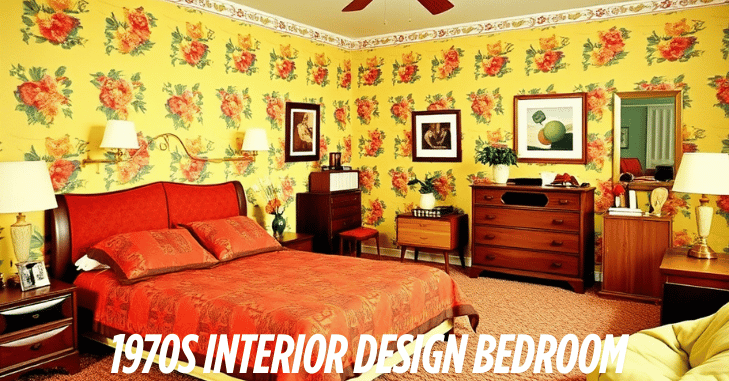
The 1970s bedroom was a sanctuary of comfort, sensuality, and unique design. The space was often filled with plush furnishings and cozy textures. Waterbeds, a major trend of the decade, provided a unique and relaxing sleep experience. Bedding featured bold floral, paisley, and geometric prints, adding a vibrant touch to the room. Headboards were often made from wood paneling or tufted fabric, creating a retro, luxurious feel.
Bathroom
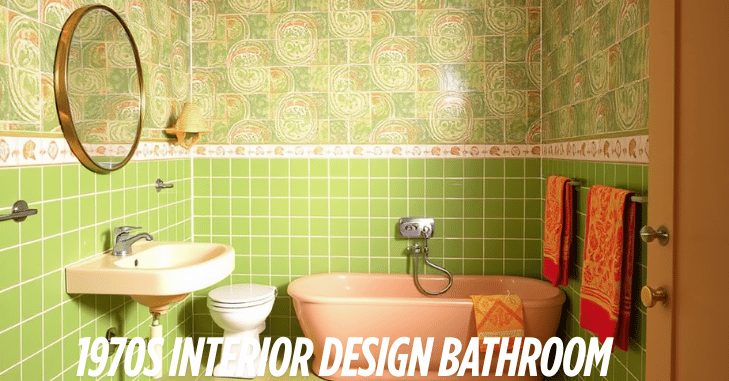
The 1970s bathroom embraced boldness and vibrant color, turning a typically utilitarian space into a statement of style. Popular colors included olive green, burnt orange, mustard yellow, and avocado, often seen in tile work, sinks, bathtubs, and toilet covers. Patterned wallpaper and shag carpeting (even in bathrooms!) were common, adding a touch of luxury and comfort to the space.
Sustainability in 70s Design
Interestingly, many aspects of 70s interior design align with today’s eco-consciousness:
- A strong emphasis on natural materials
- Use of indoor plants for air purification
- A move toward handmade and artisan decor
- Reuse and repurposing of vintage or second-hand furniture
This makes it easy to modernize 70s design while keeping it sustainable.
How to Bring 70s Style into Modern Homes
You don’t have to transform your entire house to enjoy the magic of 70s interior design. Here are some ideas to modernize the look while keeping its essence:
| Idea | Description |
|---|---|
| Start with Color | Introduce mustard, rust, and avocado tones through cushions, rugs, or accent walls. |
| Mix Patterns with Purpose | Layer floral and geometric prints in textiles while keeping base colors consistent to avoid visual chaos. |
| Invest in Iconic Pieces | Look for vintage items like tulip chairs, boho peacock chairs, or a retro bar cart. |
| Use Warm Lighting | Swap cold white bulbs for warm-toned lighting. Consider globe pendants or a vintage arc floor lamp. |
| Add Macramé and Rattan | Incorporate macramé wall hangings or rattan stools for a touch of 70s flair. |
| Decorate with Plants | Add hanging planters and large leafy greens to bring life and nature into the space. |
Famous Designers and Influences of the 1970s
Several influential designers helped define the aesthetic of 70s interiors:
- Vernor Panton: Known for bold color use and the futuristic Panton Chair.
- Eero Aarnio: Creator of the Ball Chair and other sculptural furniture pieces.
- Florence Knoll: Continued influence with minimalist, functional designs.
- David Hicks: Popularized geometric patterns and bold colors in elite homes.
The Legacy of 1970s Interior Design
The 1970s left an undeniable mark on the world of interior design. Its embrace of individuality, comfort, and nature made it a truly human-centered approach to home living. Even decades later, designers continue to pull from its visual language, reinventing retro elements for modern lifestyles. What’s truly remarkable is how adaptable 70s design is—it blends effortlessly with contemporary, bohemian, and mid-century modern interiors.

Conclusion
The 1970s interior design was more than just a decade—it was a design revolution that blended nostalgia, imagination, and authenticity. Its influence extended beyond fleeting trends, giving rise to timeless ideas rooted in comfort, personal style, and nature. From vibrant color schemes and bold patterns to cozy textures and sustainable practices, 70s interior design left behind a legacy that still resonates in contemporary spaces.
his era celebrated individuality and comfort, weaving together diverse influences such as bohemian flair, futuristic innovation, and a newfound appreciation for nature. Whether you embrace it fully or integrate just a few vintage touches, the spirit of the 70s invites us all to decorate with purpose, passion, and a little bit of playful rebellion. It’s not just a style—it’s a lifestyle that proves some eras never go out of fashion.
Apart from that if you want to know about “Basement Finishing: A Definitive Guide About Basement Finishing Cost, Importance” then please visit our “Home Improvement” Category.
FAQs
Disco and bohemian vibes: Disco glam and bohemian influences were used in the 1970s to create a synthesis of styles. It was a decade of independence, freedom, and self-expression.
Terrazzo, flowery wallpapers, rattan-style furniture, Linoleum floors, palms, fringe rugs, macrame, and an appropriate color scheme are all essential for enhancing the interior design of the 1970s.
Known as “retro chic,” 70s decor is an interior style that emphasizes wacky patterns, warm, vivid colors, and vintage accents.
The excesses of the Googie and Pop styles of the previous decade were followed by a return to a more practical, minimalist design in building throughout the 1970s. Simplicity, minimalism, and a more human-centered approach became the main priorities.